
The automatic filing is a prior import permit requested online from the Ministry of Economy for certain sensitive products. It is called automatic because it is not argued: you submit complete information and it is issued. There is no discretion against you, no negotiation.
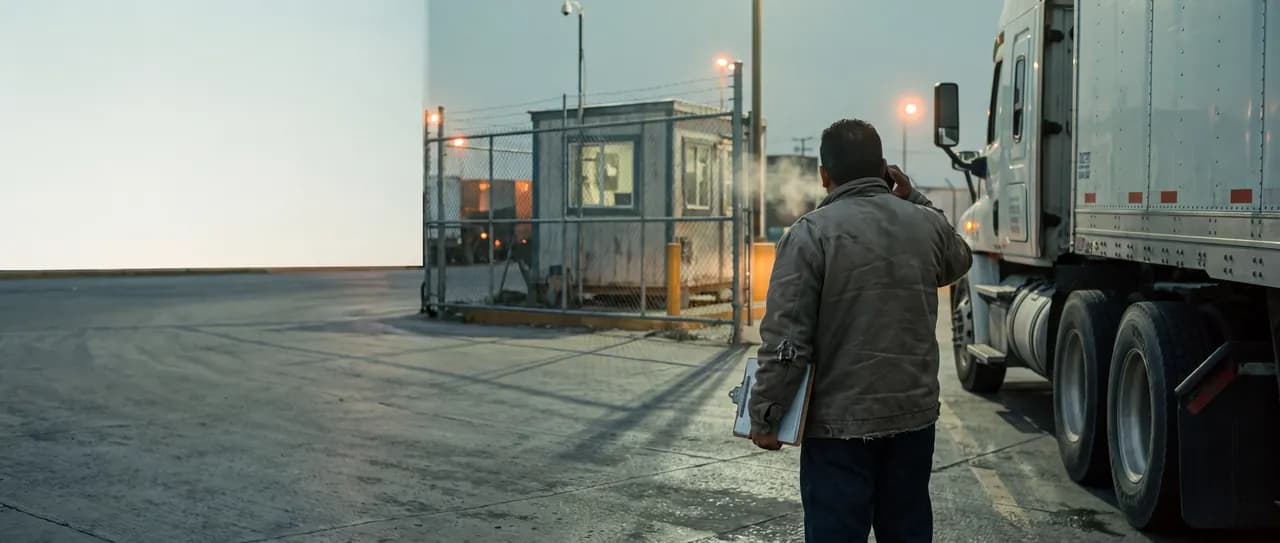
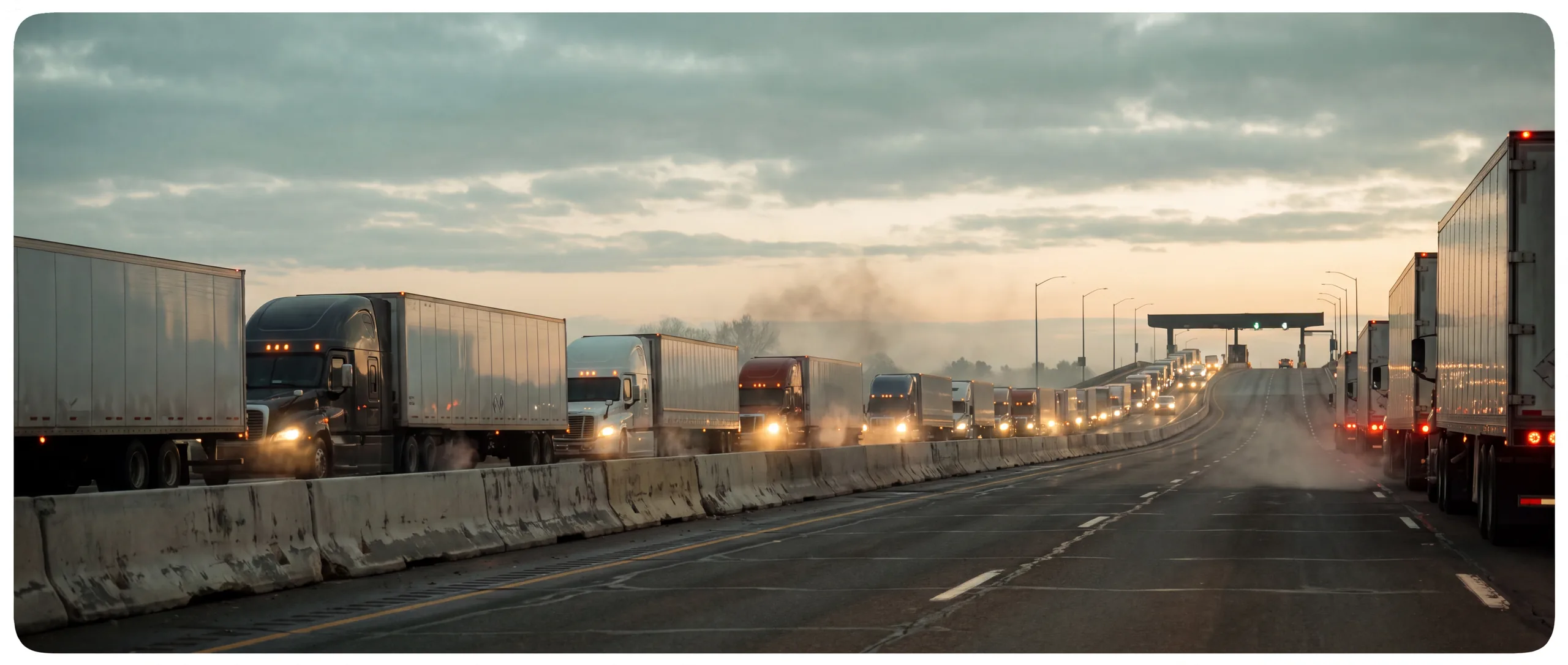
Which is why nobody thinks it matters. And why it holds freight: it is left to the end, filed once the ship has already sailed, and it turns out it had to be requested beforehand, with data only the supplier holds.
How it turns into a problem
- The tariff code was reviewed late and nobody saw that the product required it.
- The filing was requested with a value, a weight or a description that later don't match the real invoice.
- The supplier changed the material or the finish mid-production and nobody updated the filing.
- It expired. Filings have a validity period, and freight delayed at origin can arrive with a dead permit.
Note
A filing that doesn't match is the same as no filing
The permit's information has to square with the pedimento and with the invoice. If the filing says one thing and the freight carries another, the paperwork exists but is useless, and correcting it with the goods already at the bonded warehouse costs days.
What you need to request it
- The product's tariff code, confirmed and with its NICO.
- The supplier's details, the country of origin and the country of shipment.
- Quantity, unit of measure and value, exactly as they will appear on the invoice.
- The product's technical description: in steel, for instance, the type, the gauge and the use change the filing.
- The company's valid electronic signature. Without it nothing is submitted, and renewing it is not an afternoon's work.
Almost all of that data sits with the supplier, not with you. That is why the filing stalls: somebody has to ask for it, check it and translate it into what the form wants, and that somebody is usually in another time zone.
The practical rule
As soon as you have the tariff code confirmed, review what non-tariff regulations it drags along: filings, permits, quotas, certificates. All of that is processed while the supplier produces, not while the freight travels. An automatic filing takes days; getting it with the freight standing still costs weeks.
If you import steel, footwear or textiles and have never heard of this, it is not that it doesn't apply to you. It is that it hasn't happened to you yet.
Going through this yourself? Half an hour with Hank Dávalos and you leave knowing what you need and what you don't.
All articles