
When a company compares quotes, it compares freight rates. The freight rate is the big number and the one that gets negotiated. But the freight rate is a closed price: you pay it once and you know what it is. What throws a budget off is what is charged by the day.
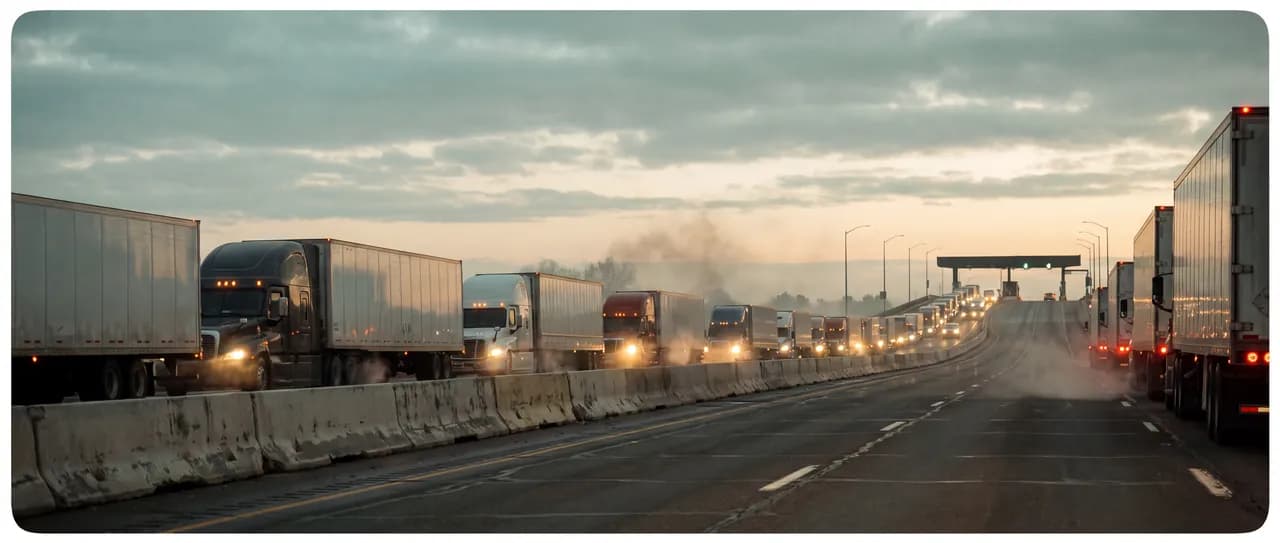
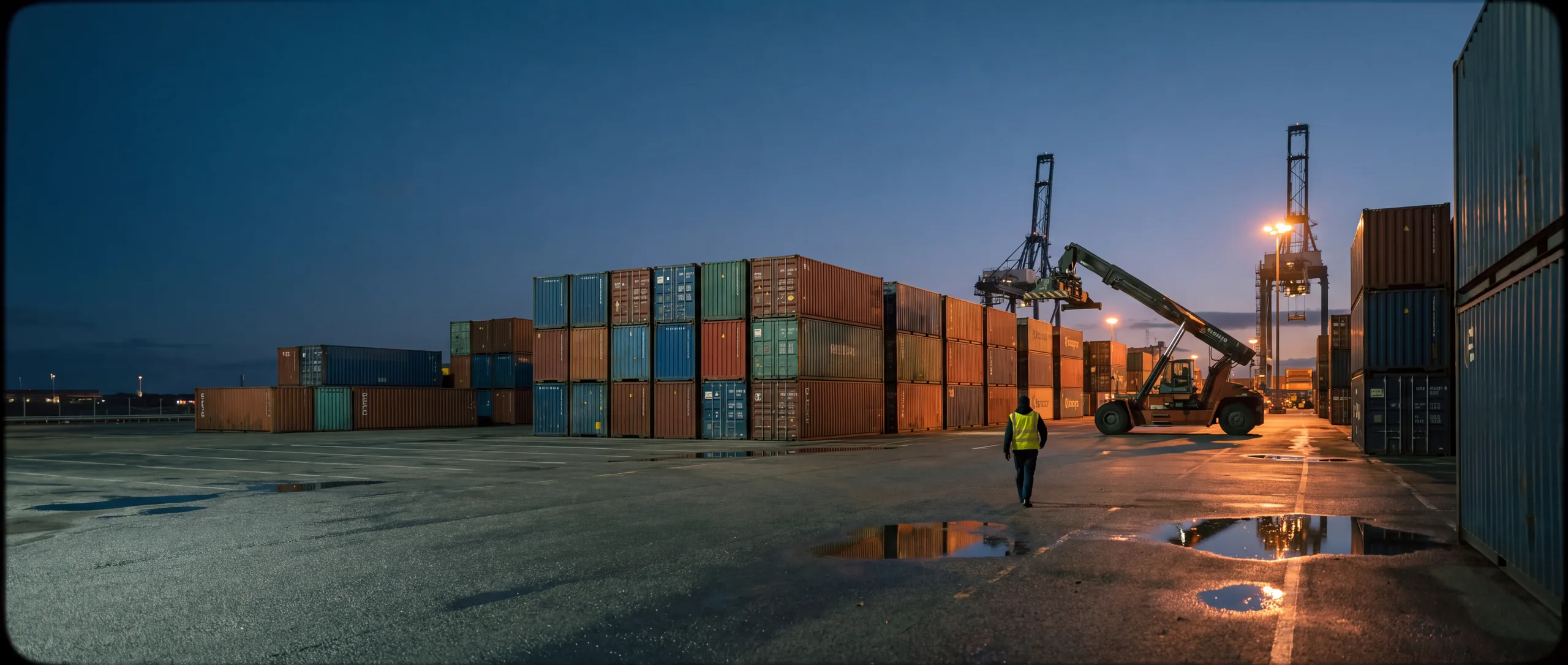
Your freight arrives at the bonded warehouse and waits there for customs clearance to be resolved. Every day spent there is charged. And if the goods came in a shipping line's container, a second clock is running: demurrage for not returning the equipment on time. Two clocks, one cause.
The clocks running at the same time
- The bonded warehouse's: it charges to hold your goods, by the day. There are usually a few free days and the rate climbs after that.
- The shipping line's: if the container is theirs, they charge for not returning it on time. It is a separate charge and it accrues just the same.
- Yours: the customer waiting for the product, the production line stopped, and the delivery date you promised assuming the freight arrived on Tuesday.
The first two arrive on an invoice and can be calculated. The third arrives on none, and it is almost always the expensive one.
What actually holds freight
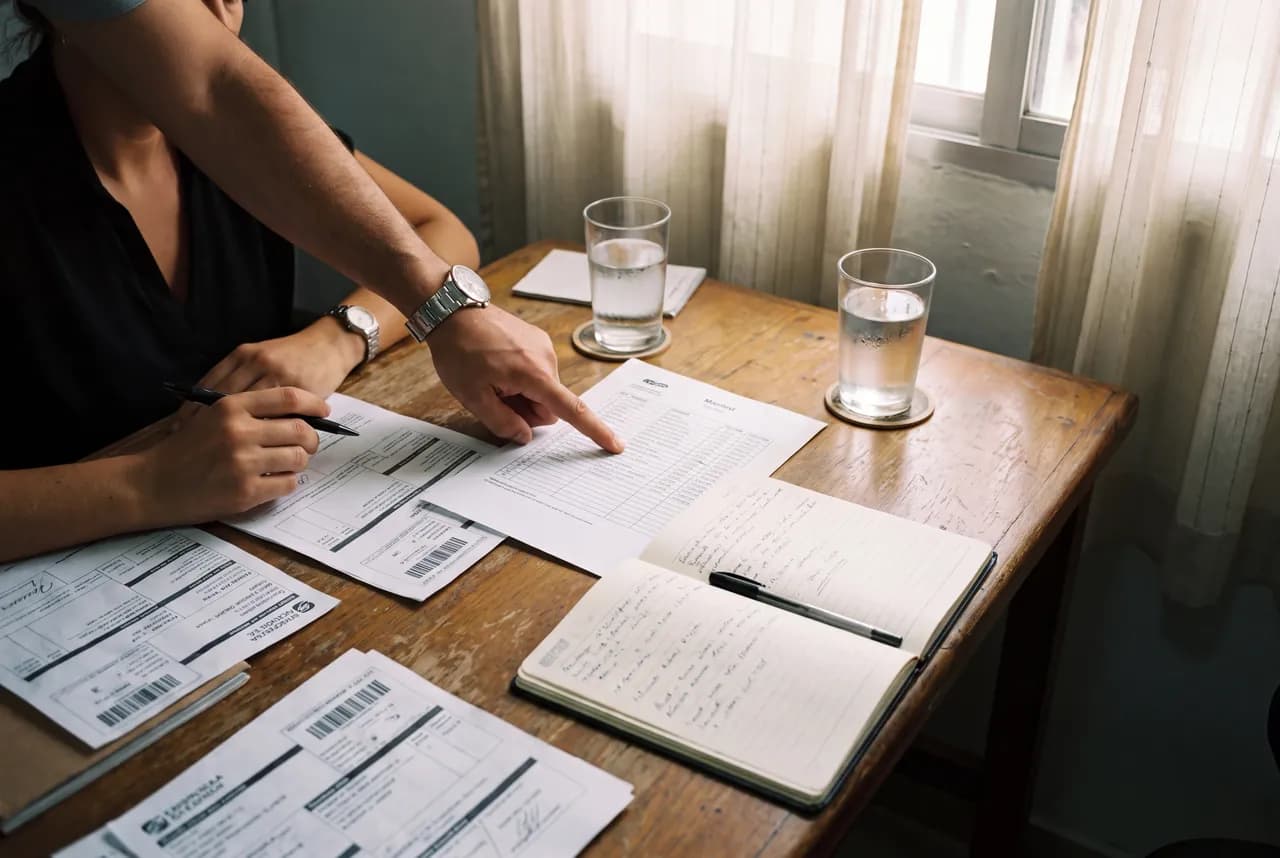
- A document that doesn't match: the invoice says one thing and the packing list says another.
- A permit, a NOM standard or an automatic filing nobody processed because nobody reviewed the tariff code in time.
- A payment made late, or made properly but never confirmed.
- A physical inspection. This one can land on you without you doing anything wrong, and it is exactly when it shows whether the file is complete.
- The classic: every party waiting on another, and nobody holding all three phone numbers.
Of that list, only one is outside your control. The rest are resolved weeks earlier, at a desk, while the goods are still in the supplier's country.
Note
Do the maths beforehand, not afterwards
Ask for the bonded warehouse's storage rate and the shipping line's demurrage policy before shipping, and put a realistic number of days against them. A two-hundred-dollar saving on the freight rate is swallowed by a week of waiting without breaking a sweat.
The days that can actually be cut
Not all of them: the vessel takes as long as it takes and the authority inspects when it inspects. What gets cut is the dead time between one step and the next.
- The file closed before the ship sails, not once it has arrived.
- Documents checked against the pedimento before it is presented, not at the counter.
- Permits and filings processed at origin, with room for them to be corrected.
- One person following the freight and speaking up when something departs from the plan.
Nobody pays storage for the time customs takes. You pay for the time we take to have the answer ready.
Five questions for the day the freight arrives
- Is the pedimento presented and paid, or is something missing?
- Which document is outstanding, and who does it depend on?
- How many free days do I have at the bonded warehouse, and from when do they count?
- When is the container due back?
- If a physical inspection comes up, who tells me and how soon?
Five questions, answered in one call. What costs money is not the answers: it is not having asked them until day nine.
If your last operation sat nine days in the yard, don't ask what the storage cost. Ask what was missing and since when it was known.
Going through this yourself? Half an hour with Hank Dávalos and you leave knowing what you need and what you don't.
All articles